Families satisfy Straight Support Professionals at turning points. A new diagnosis, an intended move into supported living, a parent's wellness moving, or a young adult leaving school solutions. The discussion commonly begins with logistics and documentation. It strengthens when depend on kinds. In the best situations, a DSP becomes a stable visibility, bringing functional ability and tranquil judgment. In the most awful, the duty obtains flattened into chores and compliance. That squashing does damage. It misses the experience, relationship job, and problem solving that make end results durable.
I have actually supervised groups, shadowed overnight changes, trained newcomers, and sat with family members at kitchen area tables while we mapped out supports. The same set of misunderstandings turns up over and over, from people outside Disability Support Services and from within organizations under pressure. Cleaning those misconceptions isn't about polishing a title. It's about making sure individuals with handicaps get what they want from their lives, and that DSPs can do the genuine work they are employed to do.
Why the title matters greater than it seems
Language forms expectations. "Direct Support Professional" signals three points: the job is straight, the connection is encouraging rather than custodial, and the ability is specialist. Those three pillars drive decisions. When a manager treats the role as interchangeable with any type of per hour position, training gets cut and turn over rises. When families hear "expert," they frequently unwind their grip, relying on that limits and best methods will certainly be recognized. When DSPs internalize the word "support," they seek means to say yes to a person's objectives, not simply to finish a checklist.
The myths listed below pull those columns apart. Addressing them becomes part of the work for any person that works with, trains, or functions together with DSPs.
Myth 1: A DSP is primarily a caregiver
Caregiving is part of the photo, but it is not the structure. Yes, numerous DSPs assist with personal treatment. They manage medication schedules, aid with transfers, support individuals in their homes. If the tasks stopped there, you might work with anyone with a type heart and a solid back. The results appear when the work broadens to preparation, training, protecting legal rights, and amplifying the individual's choices.
On a Tuesday afternoon, a DSP may run a grocery store trip. The difference in between "caregiving" and "specialist assistance" appears in tiny minutes: pausing at the apples so James can practice selecting produce without prompting, using a phone list he created, and paying with his card while the DSP silently notifications which action is sticky. Following week they practice that one step. A month later on, James stores individually for lists. The DSP didn't just finish an errand; they taught an ability, adjusted the environment, and measured progress.
This is where training issues. A strong DSP discovers task evaluation for everyday living skills, utilizes the very least invasive triggering, and discolors support purposely. They recognize just how to find very early indications of anxiety and just how to adjust interaction. They document data that really helps the team readjust, not just load a binder. They instructor peers and keep limits clear with households. Treatment might be the lorry, but specialist practice steers.
The reality is complex. Some shifts are pure caregiving since an individual is sick or exhausted. Others are community-building days, loaded with volunteer job or courses. The DSP relocations in between those settings without losing sight of the person's long-lasting goals.
Myth 2: DSPs take orders; they don't collaborate
The word "assistance" is in some cases misinterpreted as "aid quietly and follow." That framing strips out one of the most beneficial component of the function. Efficient Straight Support Experts collaborate with the person getting services, their circles of support, medical professionals, and community companions. Partnership does not suggest the DSP comes to be the specialist on whatever. It implies they are the bridge in between strategies and day-to-day reality.
Consider an actions support plan written to decrease elopement during getaways. On paper, it defines visual timetables, check-ins at set periods, and favored activities. The DSP takes that strategy into a busy farmer's market and notifications that the visual routine is pointless in the wind, the check-ins are sunk by noise, and the "favored task" is in fact causing since it involves limited spaces. A collaborative DSP doesn't shrug and "comply with the strategy." They adapt in the minute, maintain the individual safe, and bring back particular feedback: the photos require to be laminated with a clip, the check-in punctual should be vibro-tactile via the phone, and the recommended activity must be the open-air music location. The behavior analyst improves the plan with those information. The family members adjusts the Sunday schedule to begin earlier when groups are lighter. That loophole only functions if the DSP's voice brings weight.
In sustained work, partnership is a lot more visible. A DSP job trainer could draw up tasks with a supervisor at a supermarket, negotiate sensible lodgings, and silently model interaction for the staff member. They also track information that the work professional makes use of to scale back assistance. If the work train hides behind the duty, the worker winds up stuck with more assistance than needed or mismatched tasks. If the job instructor overreaches, the employer really feels micromanaged. Stabilizing those boundaries is a practiced skill.
Collaboration additionally consists of saying "no" with regard. Households occasionally request assistance past scope, like managing a sibling's research or dealing with a moms and dad's TV. A specialist can decline, discuss policy, and offer different resources. That kind of clarity builds lasting trust.
Myth 3: The work is entry-level and short-term
Many organizations market DSP duties as entry factors completely factors: they intend to welcome people that haven't worked in Disability Support Services, and licensure needs differ by state. Starting pay is typically modest. That mix feeds the concept that DSP job is momentary. The truth is that DSPs who remain for numerous years build expertise that equals several clinicians in practical impact.
Skill depth grows quick when you take note. After six months, a DSP can usually manage three person-centered goals while monitoring medicine effects and cueing communication tools. After two years, the exact same person has actually seen adequate patterns to prepare for seasonal actions shifts, intend around medical visits, and adapt transportation logistics when paratransit is late. After 5 years, you obtain somebody that checks out a strategy and can identify what will fall short in reality, then renegotiate it before any person obtains frustrated.
I watched this play out with a colleague named Lena. She began as a part-time DSP while completing school. She stayed since she suched as the success that weren't fancy: a person who stopped rejecting visits because the waiting room regimen was upgraded, a boy who quit shedding jobs when she helped him negotiate a shift modification rather than notifying. By year 4, Lena was the individual others called prior to they composed a strategy. She might walk through a home and indicate three tiny adjustments that would certainly supply good fortunes, like moving a treat cabinet down a shelf and including a timer to the laundry so missed lots quit cascading into actions spikes. There's no replacement for that kind of pattern recognition.
Is the work a pathway to other roles? Often yes. Numerous DSPs come to be instance managers, habits techs, registered nurses, or program organizers. Others continue to be in straight assistance voluntarily due to the fact that the partnership job is what they value. If organizations deal with the function as a short-term stop, they create exactly what they are afraid: churn, dilemma protection, and burnout. If they structure growth within the duty, including pay bands tied to expertises, they maintain institutional memory and stability.
Myth 4: DSPs are there to keep people busy, not to construct lives
"Maintaining busy" shows up as a goal when programs do not have the data transfer to tailor supports. It seems safe. It is not. People end up on a treadmill of trips that inspect boxes but relocate absolutely nothing ahead. A specialist [Direct Support Professional] asks different inquiries. What matters to he or she? What abilities unlock more of that? What supports can we discolor so freedom grows?
The distinction looks small in a day's routine and big over a year. Take Sarah, who enjoys art. A "keep busy" timetable may consist of crafts on Monday, tinting on Tuesday, a recreation center drop-in on Wednesday, and a gallery browse through on Friday. A "build a life" schedule utilizes those exact same hours in different ways. Monday becomes a course at a regional workshop with an instructor who understands how to direct support professional co-teach with a DSP. Tuesday shifts to exercising public transit to the workshop. Wednesday is marked for portfolio advancement and photographing work. Friday becomes a regular volunteer slot at the gallery's household table, where Sarah aids youngsters with an easy job utilizing products she can set up separately. By month six, Sarah has brand-new pals, a transit course she can navigate with minimal motivating, and an exhibition slot at the studio's yearly program. The hours look similar theoretically. The intent shifts everything.
Building lives likewise includes planning for the uninteresting parts. Budgeting, laundry, medication matters, dentist visits. These are often the actions that widen or tighten a person's globe. A missed medication refill can unravel weeks of consistent development. A DSP who ties regular regimens to preferred tasks, uses suggestions that match the person's design, and constructs in failsafes will secure that development. It isn't glamorous, and it is deeply professional.
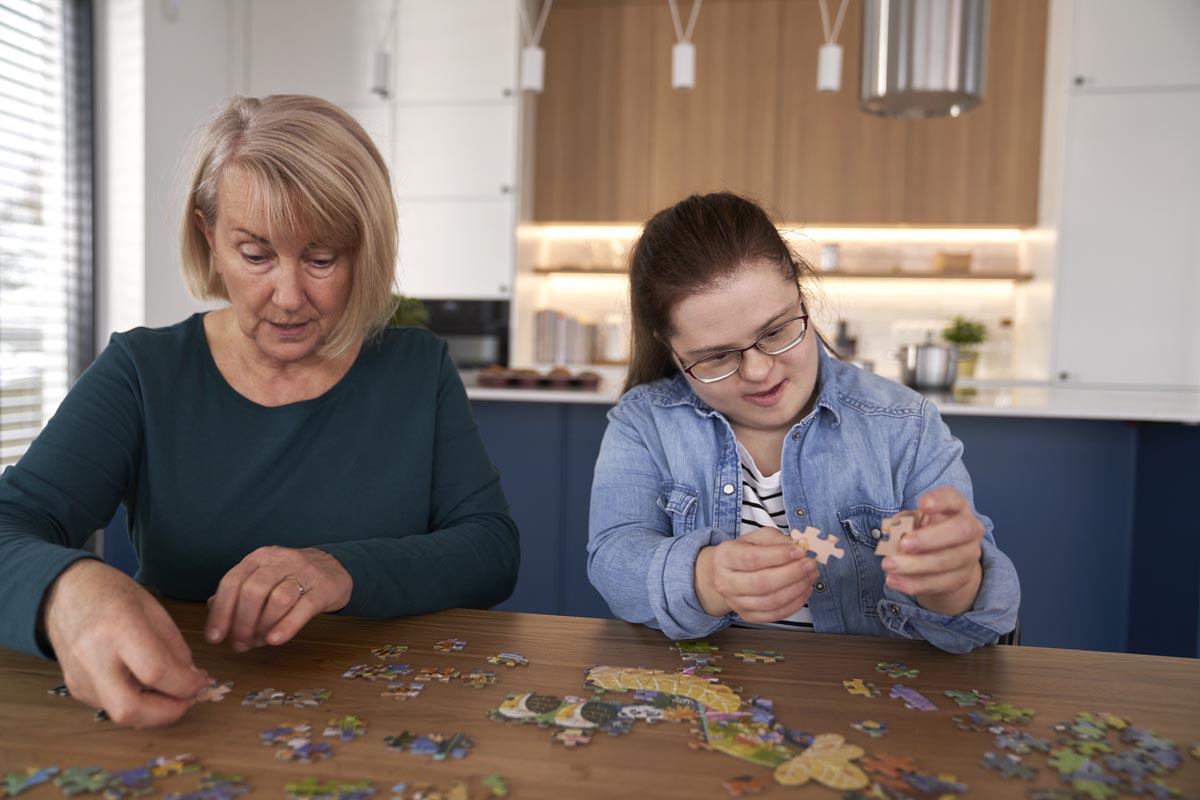
The press to do even more in the community can encounter safety and security concerns, staffing lacks, or transport voids. A seasoned DSP is honest regarding those compromises and still moves forward. Possibly the hiking team comes to be a neighborhood walking club for a month. Maybe the ceramics course comes to be an at-home kit while paratransit reliability is ironed out. The trick is to stay clear of drifting back into "busy" for its very own benefit. If the temporary workaround does not attach to an objective, it should be questioned.
Myth 5: Anyone with compassion can do the task well
Empathy matters. It how to choose a disability support service maintains people from treating jobs like production line. It aids a DSP pick words that bring self-respect right into a difficult minute. However compassion without ability can cause avoidable damage. Good objectives do not alternative to training in medication safety and security, infection control, sustained decision-making, misuse avoidance, crisis communication, and documentation that stands up to audit.
Training is not an one-time occasion at hire. The rules alter. Devices modification. People's support needs modification. A DSP requires paths to rejuvenate and strengthen expertise throughout a career. I have actually watched companies try to compress whatever into a three-day alignment and a binder. It looks effective and expenses less on paper. Then a med mistake takes place because the sore pack was reorganized, an individual's rights are limited without due process since a staff member defalcated an actions assistance principle, or an area trip ends in an authorities interaction because de-escalation techniques weren't practiced under anxiety. The cost of superficial training turns up in lives and in regulatory penalties.
The craft angle matters too. The most effective DSPs improve strategies the method a knowledgeable teacher does. They explore prompt power structures, match support to an individual's worths as opposed to common appreciation, develop rapport with bus motorists and curators, and practice difficult discussions prior to they take place. They maintain their very own anxiety in check making use of routines and limits so they can stay present. Those are learned abilities. They take mentoring and repetition.
There is likewise a data ethic to the job. Paperwork isn't busywork. It is how the group knows whether a strategy is functioning. Quality documents is specific, timely, and fair. "Had a harsh day" informs nobody anything. "Came to be weepy throughout lunch at 12:35, left the cafeteria with staff, settled after five mins of silent in the yard, went back to group analysis after picking earphones" is functional. Patterns arise only when several access like that align. That discipline doesn't come from empathy alone.
Where the misconceptions come from
These misconceptions aren't arbitrary. They arise from structural stress and social habits.
- Low repayment rates squash job summaries, requiring companies to squeeze support right into the most affordable containers readily available. When the pay range doesn't match the duty, organizations hesitate to call the task "specialist," even as they depend on professional outcomes. Hospital and institution systems frequently communicate to families utilizing their very own models, which can be more prescriptive. When individuals change right into home and community services, they expect orders to be followed as written. The DSP role calls for more settlement, and that distinction can feel like resistance as opposed to collaboration. Media depictions of special needs assistance focus on extremes: heroic heros or inexperienced babysitters. Neither depiction assists. Daily technique sits in the center, where skill and perseverance build something durable.
What effective DSP method resembles from the inside
Picture a Wednesday for Marco, a DSP collaborating with two adults who share an apartment and obtain a mix of at home and community sustains. The early morning starts before 8. He checks the communication log, keeping in mind that one person rested inadequately and the other fears concerning a dental practitioner consultation. He customizes morning meal regimens to stay clear of sensory overload, dims lights in the kitchen, and chooses a quieter playlist. He uses first-then language on the whiteboard to lay out the morning. He triggers someone to set a timer for her medication window, sees the other self-administer while following the 6 civil liberties, and files both.
During transportation, paratransit calls with a hold-up that will push the dental practitioner appointment too late. Marco has a script prepared. He get in touches with the facility, verifies a ten-minute grace period, and asks the dispatcher to reroute a more detailed car. He messages his supervisor and notes the hold-up for documents. In the waiting area, he negotiates a seat far from the television. He makes use of a mobile aesthetic routine and squeezable stress and anxiety ball the person helped choose recently. The examination goes efficiently for the first time in months. That isn't luck. It is the result of advancing tweaks.
Back home, Marco coaches both roomies with meal preparation connected to their nutrition objectives, not just what's fastest. He movies a brief video of a single person utilizing a new can opener due to the fact that this approach lastly works without pain. He shares it in the team group with permission. In the afternoon, he sustains a work search session, yet not by doing applications for the person. He breaks the task right into smaller actions: gathering references, preparing a brief technique telephone call script, and setting up a video clip meeting area with clean light and a neutral background. He role-plays the first three concerns and takes notes on the person's favored expressions. The day ends with a night check-in, a suggestion for washing, and a brief debrief for the overnight staff.
Nothing concerning that day was heroic. It was expert, grounded, and attached to objectives that matter. The person's self-respect remained intact. The plans improved in small increments. That's the work at its best.
The hidden costs of getting the role wrong
When the misconceptions drive technique, the splits appear rapidly. Individuals shed skills they had, since team do jobs for them for "aiding." Community accessibility reduces, due to the fact that outings are more convenient for team than purposeful for the person. Households wear out, because they are asked to handle what the system must cover. Personnel quit, due to the fact that they are dealt with like compatible assistants without recommendation of responsibility. Security incidents climb, since training is thin and documentation is perfunctory.
The fallout has actually buck indicators connected, but it likewise appears in the small human methods. An individual quits grinning when the bus gets here. A volunteer duty quietly finishes. Buddies wander away. Those losses hardly ever make it into records, yet they point to a duty that has actually been mis-scoped or misused.
What organizations can do differently
A solid DSP workforce does not arise by mishap. It is constructed through choices that reflect the reality of the work. Below is a compact checklist organizations utilize when they obtain it appropriate:
- Align pay bands with expertises, not just period. Recognize and award skill development tied to visible practices. Protect training time on the routine. Include refresher courses in vital locations at predictable periods and spend for completion. Give DSPs a seat in strategy advancement and evaluation. Call for at the very least one direct assistance voice when goals are established or revised. Provide crisp, sensible tools: visual supports, information design templates that gather what issues, accessibility to interaction devices, and quick-reference guides in your homes and work sites. Build mentorship right into the first three months. Pair new team with skilled DSPs and determine onboarding quality, not simply completion.
These actions do not require ideal conditions. They call for consistent dedication and the desire to listen to the people closest to the work.
What families and individuals receiving solutions can expect and ask
Families and self-advocates are not passive recipients of a system. They set the tone for collaboration. If you are involving with a DSP for the very first time, a couple of inquiries assist surface area whether the role will certainly be treated with the severity it is entitled to. Ask exactly how the DSP will certainly involve you and the individual in preparing the day. Ask what training they have in locations that matter to you, from interaction tools to seizure action. Ask just how they record progression and how typically the group reviews goals. Share what tranquilities and what intensifies. Explain what an excellent day resembles for you, and what progression implies in concrete terms.
On the flip side, await the DSP to bring borders and ideas. If they recommend fading an assistance, they are not deserting you. They are attempting to make freedom lasting. If they decrease to handle a job outside range, it's typically due to the fact that doing so would certainly compromise safety or equity for the individual they support. Solid cooperation grows from honest conversations where every person's experience is respected.
Measuring what matters
Systems tend to gauge what is easiest: hours supplied, creates finished, events taped. Those numbers issue, but they do not inform you if the job aligns with the individual's life. Adding a couple of basic actions can change method. Track the variety of objectives where assistance was faded in the last quarter. Track brand-new neighborhood connections started by the person and endured for at the very least a month. Track work steps finished that suit the individual's passions, also if a task isn't safeguarded yet. Track health and wellness visits completed with lowered staff support. Testimonial these with DSPs present. Commemorate wins. Ask what aided. Change plans accordingly.
Small data points, consistently gathered, change choices. They additionally validate the proficiency of the DSPs creating them.
The heart of the duty, without the myths
If you spend time with Direct Assistance Professionals when the shift ends and the kinds are done, you hear why they stay. It's the day an individual demands getting their own coffee for the first time and does not search for a nod. It's the call from a sibling that claims sees are much easier since your house isn't a minefield. It's the peaceful pride when an individual bears in mind and makes use of a coping approach they practiced with each other. Those end results live at the crossway of compassion, ability, and collaboration.
Strip away the misconceptions and the duty ends up being clear. A DSP is a specialist companion in a common, enthusiastic life. They help translate strategies right into days that feel like the person who lives them. They do little points with deliberation so large points end up being possible. When systems, family members, and neighborhoods recognize that truth, far better futures aren't academic. They show up on schedules, in paychecks, in friendships, and in the steadier rhythm of someone's week.
The title issues, but the practice matters a lot more. Let's protect both.